
Haldex failure is defined by the progressive breakdown of the AWD coupling’s ability to transfer drive to the rear axle, and the primary cause is contaminated fluid clogging the pump’s intake screen. When debris from clutch friction material accumulates in the oil, it restricts flow to the pump, forces the unit to work harder, and eventually causes overheating or electrical burnout. Vehicles including the Volkswagen Golf R, Audi TT, and Land Rover Freelander all rely on Haldex-based systems, making this a widespread concern. Understanding what causes Haldex problems is the first step toward preventing an expensive repair.
What causes Haldex failure in your AWD system?
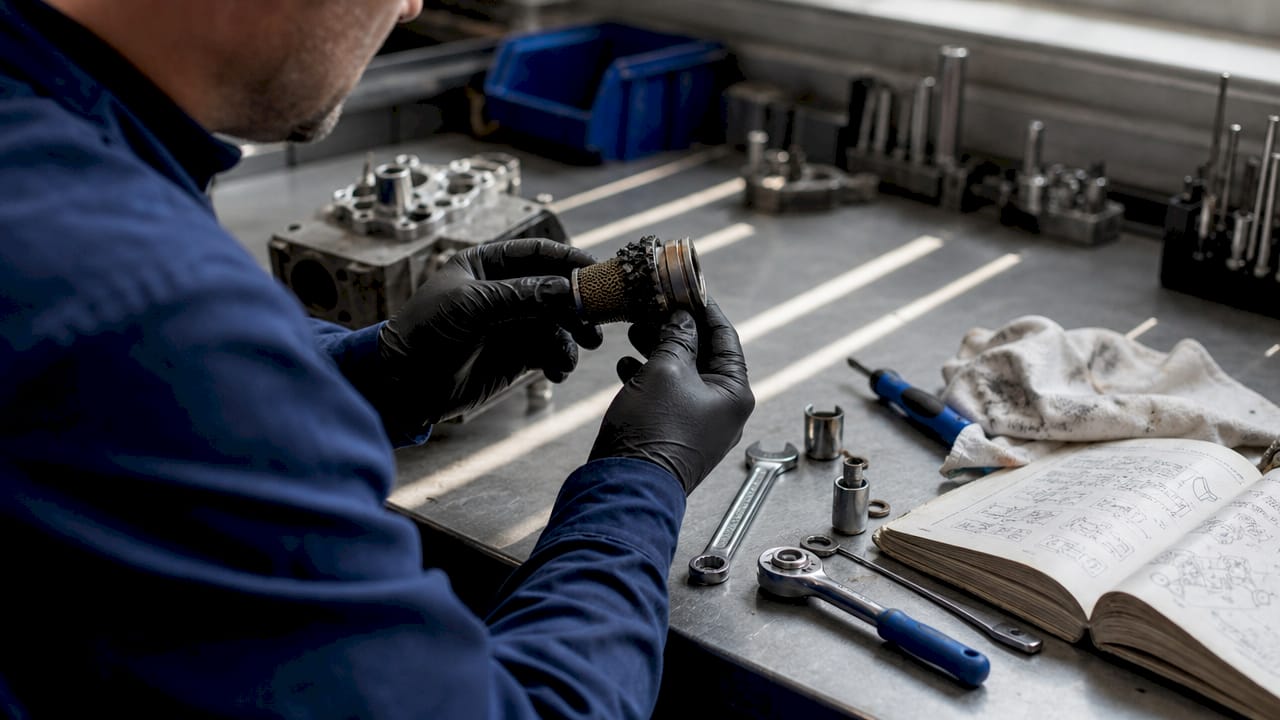
Contaminated Haldex fluid clogging the pump intake screen is the single most common cause of system failure. As the clutch pack engages and disengages during normal driving, friction material sheds into the oil. Over time, this debris accumulates and blocks the pump’s intake screen, starving it of the oil flow it needs to build hydraulic pressure.
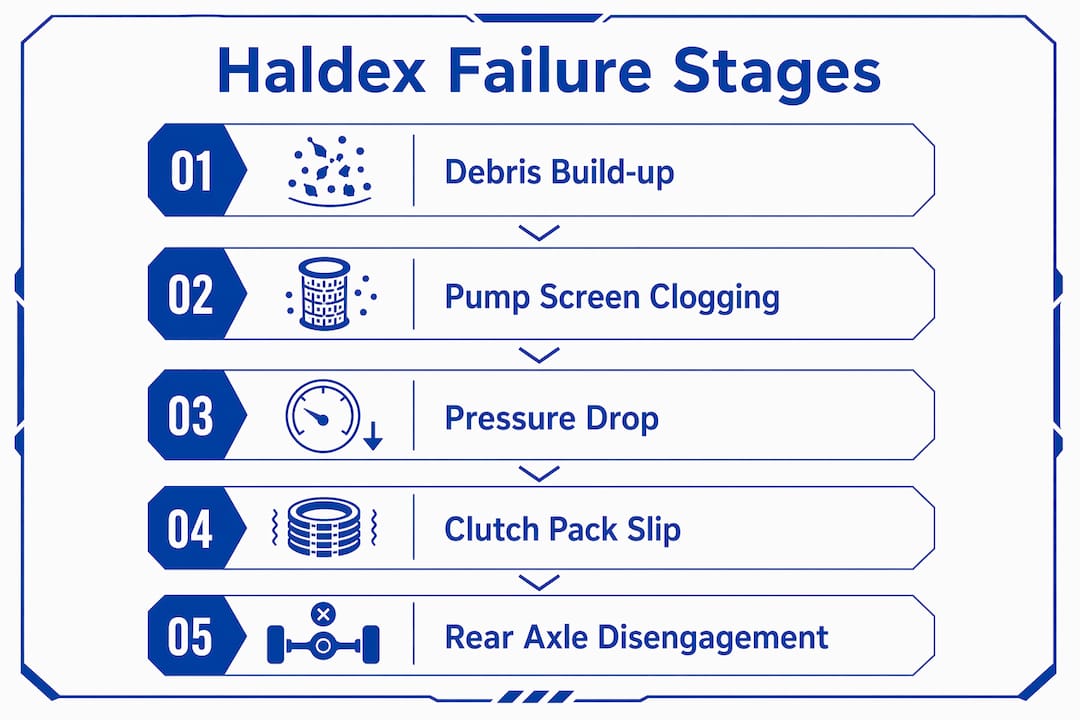
Once pressure drops, the clutch pack cannot engage the rear axle properly. The pump compensates by drawing harder, which generates heat and places strain on the electric motor driving it. Left unaddressed, this chain of events leads to pump burnout or complete AWD loss.
The failure chain follows a predictable sequence. Debris clogs the pickup screen, the pump cannot maintain pressure, clutch engagement becomes inconsistent, and the pump eventually fails electrically. Replacing the pump without cleaning the screen simply repeats the cycle, which is why screen cleaning is non-negotiable in any proper repair.
Later generation Haldex units fitted to vehicles like the VW Tiguan and Skoda Yeti use internal strainers rather than cartridge filters. These are harder to access but equally prone to blockage. A fluid change alone will not clear a blocked strainer, which is why many owners report only temporary improvement after a basic service.
How does contaminated fluid lead to Haldex system failure?
The contamination process begins the moment the clutch pack starts wearing. Every engagement sheds microscopic particles of friction material into the oil, and those particles do not dissolve. They circulate with the fluid until they settle on or around the pump intake screen.
Key effects of fluid contamination include:
-
Restricted oil flow to the pump, reducing hydraulic pressure available for clutch engagement
-
Pump overheating as the motor works against increased resistance from reduced flow
-
Electrical failure of the pump motor, triggered by sustained overload conditions
-
Inconsistent rear axle drive, which the driver experiences as understeer or traction loss on slippery surfaces
-
Fault codes or warning lights, though some generations produce no codes at all until the pump has already failed
Later generation Haldex units trap debris particularly around pump screens or strainers, meaning oil changes alone may improve symptoms temporarily but do not resolve the underlying restriction. The screen must be physically removed and cleaned to restore full oil flow.
Pro Tip: When servicing a fourth or fifth generation Haldex unit, always remove and inspect the pump intake strainer. If it is visibly discoloured or coated in fine black particles, clean it thoroughly before refilling with fresh oil. Skipping this step is the most common reason a freshly serviced system fails again within months.
What electrical and control issues cause or mimic Haldex failure?
Electrical faults including wiring issues and connector corrosion can cause or convincingly mimic Haldex pump failure. The pump relies on a consistent power supply and clean signal from the control module. Corroded connectors or damaged wiring interrupt both, producing symptoms that look identical to a hydraulic failure from the driver’s seat.
Common electrical causes of Haldex system failure include:
-
Corroded pump connectors, particularly on vehicles exposed to road salt or standing water
-
Damaged wiring harnesses near the rear axle, where heat and movement cause insulation to crack
-
Control module faults that send incorrect engagement signals or fail to activate the pump at all
-
Power supply interruptions from a weak battery or faulty fuse, which prevent the pump from reaching operating speed
The diagnostic challenge is that warning lights alone do not distinguish between a hydraulic fault, an electrical fault, or clutch wear. A technician who replaces the pump based on symptoms without testing the wiring and control module risks an unnecessary repair.
Pro Tip: Before condemning a Haldex pump, test the connector voltage at the pump with the ignition on. A reading below 12 volts points to a wiring or supply fault rather than a failed pump. This single check saves significant time and money.
How do worn clutch packs and driving conditions accelerate Haldex failure?
Clutch pack wear is both a symptom and a cause within the Haldex failure cycle. As the plates wear, they generate more debris, which accelerates contamination, which in turn damages the plates further. Driving conditions determine how quickly this cycle runs.
-
Wet and variable road conditions force the Haldex system to engage the rear axle more frequently, increasing clutch wear per mile driven compared to dry motorway use.
-
Stop-start urban driving produces repeated low-speed clutch engagements, which generate disproportionate heat and friction material relative to the distance covered.
-
Aggressive acceleration from a standstill places maximum demand on the clutch pack, shedding the most debris in the shortest time.
-
Temperate climates with frequent rain, such as the UK, mean the system rarely operates in the fully disengaged state it would on dry roads, compressing the effective service interval.
Frequent AWD clutch engagement in wet or variable conditions accelerates debris buildup and wear. A Golf R used daily in Manchester will need servicing more often than the same car used on dry Spanish roads. Tailoring your service interval to your actual driving conditions, rather than following a fixed mileage schedule, is the most effective way to control contamination before it causes damage.
What are the consequences of improper Haldex servicing or incorrect fluid use?
Incorrect servicing is the second most preventable cause of Haldex failure after contamination. The table below summarises the most common service errors and their consequences.
| Service error | Consequence |
|---|---|
| Using generic gear oil or ATF instead of approved fluid | Destroys clutch plates and pump seals, causing premature failure |
| Changing fluid without cleaning the pump screen | Temporary improvement only; restriction and pump strain persist |
| Overfilling the fluid level | Excess pressure disrupts clutch engagement and can damage seals |
| Underfilling the fluid level | Insufficient hydraulic pressure prevents full rear axle engagement |
| Skipping diagnostic scan after service | Underlying electrical or wear faults remain undetected |
Using incorrect fluid types such as generic gear oil or ATF destroys Haldex clutch plates and pumps, causing expensive premature failures. Only manufacturer-approved fluids preserve system longevity. For first generation systems, BorgWarner specifies G052175A1 oil, while second through fifth generation units require a different formulation entirely.
Owners frequently assume a fluid change resolves all issues, while debris-restricted pump screens remain neglected. A complete service must include draining the old fluid, removing and cleaning the strainer or filter, inspecting the pump connector, refilling with the correct approved oil to the specified level, and performing a diagnostic scan to confirm no fault codes remain active.
How can you diagnose signs of Haldex failure early?
Early detection of Haldex failure is challenging because many symptoms resemble normal AWD behaviour or produce no fault codes at all. Knowing what to look and listen for gives you a significant advantage before the system reaches the point of complete failure.
Watch for these signs of Haldex failure:
-
AWD or traction control warning lights appearing on the dashboard, particularly after a cold start or during cornering
-
Excessive front wheel spin on wet roads during acceleration, indicating the rear axle is not receiving drive
-
Understeer in conditions where the car previously felt planted, suggesting reduced rear axle engagement
-
Grinding or whirring noises during tight, low-speed turns, which can indicate clutch pack wear or pump strain
-
Intermittent AWD behaviour, where the system seems to work normally some days and poorly on others
Symptoms including loss of rear axle engagement and inconsistent traction are common signs of Haldex failure, but fluid contamination, a clogged pump screen, or control issues may all present identically without proper testing. A simple wet-surface acceleration test, where you accelerate briskly from a standstill on a damp road and observe whether both axles contribute, can reveal rear axle disengagement before a full diagnostic scan is possible.
Diagnosis-first is the only reliable approach because similar symptoms arise from different failure points including the pump, wiring, or clutch wear. A scan tool that reads Haldex-specific data, such as pump current draw and clutch pressure values, will identify whether the fault is hydraulic, electrical, or mechanical.
Key takeaways
Haldex failure is caused primarily by contaminated fluid and a blocked pump intake screen, and no repair is complete without addressing both the fluid and the screen together.
| Point | Details |
|---|---|
| Contamination is the root cause | Clutch debris clogs the pump screen, restricts oil flow, and causes pump overload and failure. |
| Screen cleaning is non-negotiable | Changing fluid without cleaning the pump strainer only delays the next failure. |
| Electrical faults mimic hydraulic failure | Always test wiring and connectors before replacing the pump. |
| Driving conditions set your service interval | Wet, stop-start, or aggressive driving demands more frequent servicing than fixed mileage schedules suggest. |
| Correct fluid is not optional | Using unapproved oil destroys clutch plates and pump seals, turning a service into an expensive repair. |
What I have learned from watching Haldex systems fail
After years of working with Haldex-equipped vehicles across Audi, VW, and Land Rover platforms, the pattern I see most often is not a dramatic failure. It is a slow, preventable decline that owners mistake for normal wear until the rear axle stops engaging entirely.
The uncomfortable truth is that most Haldex failures I encounter were caused by a previous service, not by neglect. Someone changed the fluid, felt the car improve briefly, and assumed the job was done. The pump screen was never touched. Six months later, the pump burned out. The fluid change bought time but solved nothing.
What actually works is treating every Haldex service as a diagnostic event, not a maintenance tick. Check the strainer. Test the connector voltage. Scan for live pump data, not just fault codes. If the pump current draw is elevated at idle, the screen is restricting flow even if the oil looks clean.
I also think owners underestimate how much their driving environment matters. A Golf R used in the Scottish Highlands in winter is not the same machine as one driven on dry southern roads. The service interval should reflect that reality. Waiting for a warning light is waiting too long.
— Mindaugas
Get the right parts for your Haldex system
When a Haldex service needs to be done properly, the parts you use determine whether the repair lasts.
Haldexparts stocks OEM-grade pumps, approved oils, and complete service kits for first through fifth generation Haldex systems, covering vehicles from VW and Audi to Volvo and Land Rover. Every kit is matched to your specific generation, so you are not guessing at compatibility. For fourth generation systems, the OEM oil and filter kit includes the correct G055175A2 fluid and a genuine filter designed to manufacturer specification. For fifth generation Volvo applications, the complete service kit includes the OEM pump. Free shipping applies on orders over £150. Browse the full range at Haldexparts and order with your vehicle registration to confirm fitment before you buy.
FAQ
What is the most common cause of Haldex failure?
Contaminated fluid clogging the pump intake screen is the most common cause. Debris from clutch friction material accumulates over time, restricts oil flow, and forces the pump to overwork until it fails.
Can a fluid change fix a Haldex problem?
A fluid change alone rarely resolves the issue if the pump screen is already blocked. Changing oil without cleaning the screen provides only temporary improvement, as the restriction and pump strain persist.
What are the early signs of Haldex failure?
Common signs include AWD warning lights, excessive front wheel spin on wet roads, understeer in conditions where the car previously felt stable, and intermittent traction behaviour. Some generations produce no fault codes until the pump has already failed.
Can wiring faults cause Haldex failure symptoms?
Yes. Corroded connectors or damaged wiring can interrupt power to the pump and produce symptoms identical to a hydraulic failure. Electrical testing alongside hydraulic inspection is required to avoid misdiagnosis.
How often should a Haldex system be serviced?
Service frequency should be adjusted based on driving conditions. Vehicles used in wet, stop-start, or demanding environments need more frequent servicing than a fixed mileage schedule suggests, typically every 20,000 to 30,000 miles under normal UK driving conditions.