

Tight-turn binding almost always traces to one of four things: degraded Haldex fluid, a worn or glazed clutch pack, a weak pump or accumulator, or a controller that isn’t commanding release properly. Start by checking that all four tyres match in size and pressure, since a mismatched tyre fools the system into thinking you’re still turning hard. If tyres check out, a Haldex fluid change or adaptation reset is the sensible first repair. Some cases clear up within a few hundred miles of that service; others point to a pump or clutch-pack job.
TL;DR:
- Tyre mismatch or uneven tread can cause false signals to the Haldex system, leading to binding during low-speed turns if pressures and circumferences are not aligned.
- Changing the Haldex fluid and performing an adaptation reset are effective first steps, often resolving binding symptoms within a few hundred miles.
- Mechanical wear in the clutch pack or contaminated fluid are common causes of binding in higher-mileage vehicles, requiring rebuilds or replacements.
- Generation 4 and 5 units are more sensitive to pump and accumulator faults, which can slow or prevent proper clutch release, especially if fluid and hardware deteriorate.
- Proper diagnosis involves checking fault codes, testing tyre sizes, and monitoring clutch pressure data, with fixes ranging from fluid services to clutch pack rebuilds.
Table of Contents
- Understanding haldex binding in turns: how the coupling behaves at low speed
- Common causes of Haldex system binding in corners
- Diagnostic checklist to confirm Haldex binding in turns
- Fixing Haldex binding: from fluid changes to clutch-pack rebuilds
- Maintenance that keeps Haldex from binding again
- Who’s behind this guide, and what’s in stock to fix it
- What the forums get wrong about Haldex binding
- Get the right Haldex parts before you start the repair
- Sources
- FAQ
Understanding haldex binding in turns: how the coupling behaves at low speed
A Haldex coupling is a multi-plate wet clutch that decides, moment to moment, how much torque goes to the rear axle. Oil pressure, generated and controlled by an electric or mechanical pump, squeezes a stack of plates together to lock the rear wheels to the front. Backing that pressure off releases the plates and lets the rear axle spin freely, which is exactly what needs to happen when you’re threading through a car park at walking pace.
The J492 Haldex control module doesn’t work in isolation. It talks constantly to the ABS and ESP systems, reading wheel speed differences between front and rear axles and adjusting clutch pressure accordingly. Tight, low-speed turns create a natural speed mismatch between the inner and outer wheels, and a healthy system reads that mismatch correctly and eases off the clutch to avoid winding up the drivetrain. When that conversation between modules breaks down, or the hardware physically can’t respond fast enough, you feel it as resistance, judder, or outright binding.
Generation matters more than most owners realise:
- Early Haldex units (Generation 1 and 2) used a mechanically reactive pump driven by the propshaft itself, meaning engagement was tied directly to speed differential and slower to release.
- Generation 4 introduced an electric high-pressure pump paired with a pressure accumulator, giving much faster engagement but making fluid condition and accumulator health far more critical to correct release timing.
- Generation 5 dropped the accumulator entirely and controls clamping pressure by varying pump motor speed directly, which shifts more of the fault burden onto the pump and its control electronics.
That shift towards electric pumps and predictive software control explains why turn handling with Haldex has changed generation to generation, and why a pump or software fault on a newer car produces symptoms that a mechanical-pump owner from fifteen years ago never saw. The evolution of Haldex control across Volkswagen and Audi models is worth reading if you want the full engineering history behind these design jumps.
Common causes of Haldex system binding in corners
Most binding complaints trace back to a small set of repeat offenders, and they split roughly into mechanical, hydraulic, and electronic camps.
Mechanical wear inside the clutch pack is the classic culprit on higher-mileage cars. Plates glaze or pick up debris over time, and glazed plates don’t release cleanly even when the module commands zero pressure. You get a lurching, sticky feeling specifically in tight turns, because that’s when the pressure demand should be lowest.
Fluid condition causes more binding complaints than owners expect. Old or contaminated Haldex fluid loses its friction-modifying additives and can carry debris that partially blocks the internal filter, slowing how fast the system can dump pressure. Community reports and Audi service bulletins repeatedly identify fluid age and clutch wear as the two recurring root causes behind cornering judder.
Pump and accumulator faults hit Generation 4 and 5 units hardest. A weak accumulator or a pump struggling to build or bleed pressure fast enough leaves the clutch partially engaged when it should be releasing.
Electronic and sensor faults are the trickiest to spot without a scan tool:
- Controller faults or lost CAN-bus communication with ABS/EDL modules
- Wheel-speed sensor anomalies feeding bad data into the engagement logic
- Mismatched tyre sizes or uneven tread wear across the axles, which alters rolling circumference and tricks the module into reading a permanent speed difference
That last point catches out plenty of DIY owners. Fitting two new tyres on one axle and leaving worn originals on the other changes rolling circumference enough that the Haldex module can misread it as a genuine cornering event, even on a straight road.
Sticking valves inside the pump or control body sometimes respond to a temporary fuse pull, which forces a full system reset and can free a valve that’s stuck rather than failed outright. It’s a useful diagnostic trick, not a permanent cure, but it tells you a lot about where to look next.
Diagnostic checklist to confirm Haldex binding in turns
Work through these steps in order rather than jumping straight to parts replacement.
- Reproduce the symptom safely. Find a quiet, low-speed setting like an empty car park and turn tightly in both directions. Note whether the binding happens on full lock only, at a specific speed, or in both directions equally.
- Measure and compare all four tyres. Check tread depth, brand, and rolling circumference with a tape measure or a smartphone app, and confirm pressures match manufacturer spec across the board. A quarter-inch difference in circumference between two tyres is enough to confuse the module.
- Swap or rotate tyres as a test. If you suspect a mismatch, temporarily swap front and rear pairs (where the car allows it) and see if the binding follows the tyres or stays with the axle.
- Read fault codes with an OBD scanner. Pull codes from the Haldex module (J492), ABS, and EDL systems. Live data showing commanded clutch pressure against actual pressure, where your scan tool supports it, is the single most useful diagnostic reading you can take.
- Check pump electrics. Measure pump motor current draw if you have the equipment, and inspect the relevant fuses and relays for corrosion or loose contacts.
- Inspect the fluid. Drain a small sample and look for colour, smell, and metal particulate. Black, gritty, or burnt-smelling fluid is a strong sign the clutch pack has been working harder than it should.
- Try an adaptation reset. Many scan tools can trigger a Haldex adaptation cycle, which relearns baseline pressure values and sometimes clears binding caused by drift in the stored calibration.
Pro Tip: Before you spend money on parts, pull a fuse for the Haldex module for a few minutes with the ignition off, then refit it and take a short test drive. A cured problem after a reset points strongly to a valve or adaptation glitch rather than worn hardware. If it binds identically afterwards, you’re looking at a mechanical or hydraulic fault, not software.
Fluid that looks and smells fine, paired with clean fault codes, usually points towards a service issue you can fix yourself. Metal in the fluid, persistent codes, or a pump drawing abnormal current point towards a workshop-level pump or clutch-pack job.
Fixing Haldex binding: from fluid changes to clutch-pack rebuilds
Fixes range from an afternoon’s work to a proper strip-down, and the right one depends entirely on what your diagnostics turned up.
Haldex fluid change. This is the first repair to try for judder specifically in tight, low-speed turns, and it’s the fix Audi’s own technical service bulletin points to. The TSB treats cornering judder as a comfort issue rather than a failure, and recommends a full fluid and filter change using the correct specification oil. Crucially, it warns that the new fluid’s additives can take up to 600 miles to fully bed in, so don’t judge the repair a failure after a single test drive. Fresh fluid restores the friction characteristics and internal clearances that let the valves release cleanly.
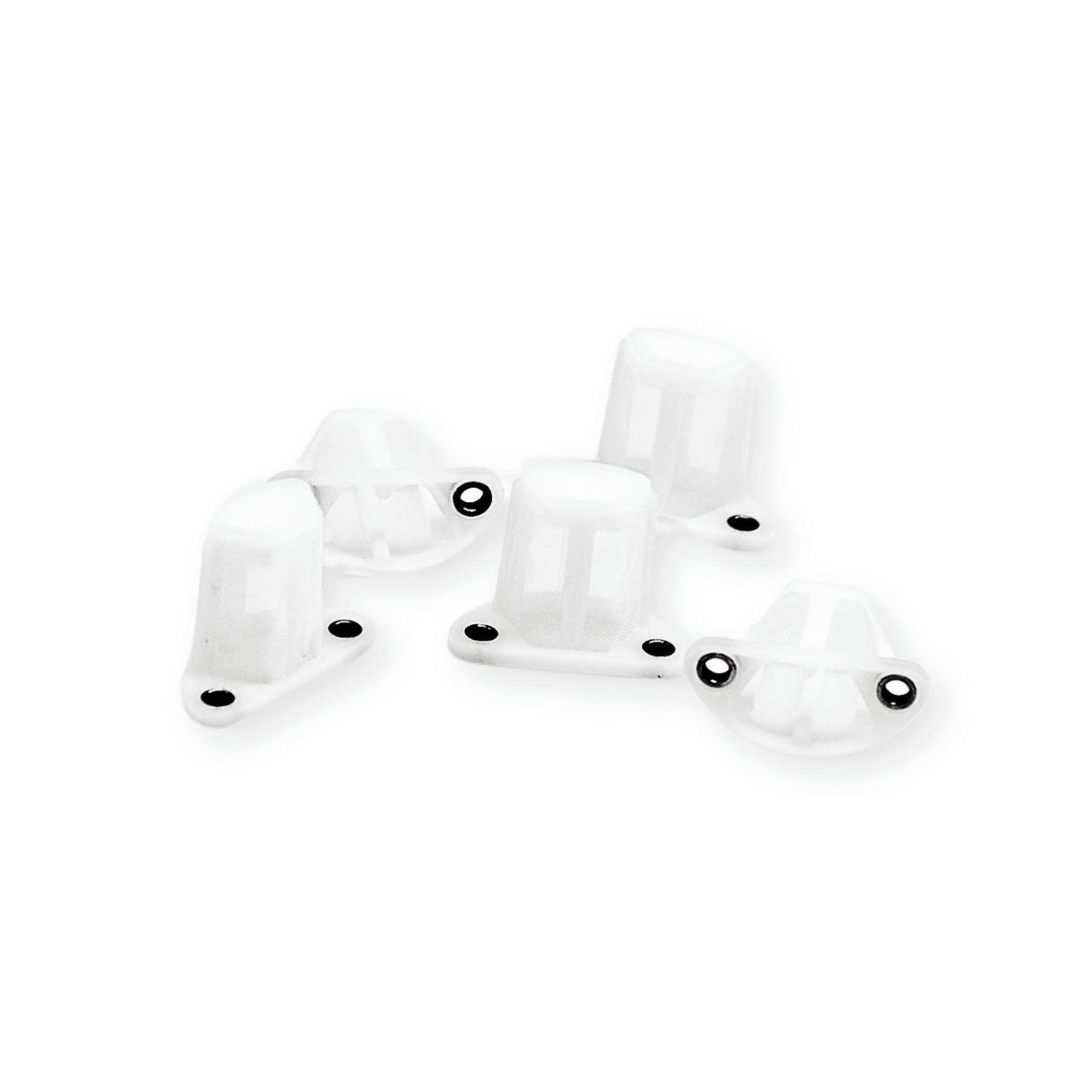
Pump nose and filter service. On first and second generation units, the pump nose and internal filter are common wear points that cause sluggish release long before the whole pump fails. Replacing the nose assembly is a manageable DIY job with the right fitment guidance, and it’s worth doing alongside a fluid change rather than waiting for a full pump failure.
Clutch pack rebuild or replacement. Where plates are glazed, scored, or simply worn thin, a rebuild restores consistent engagement without the cost of a whole new unit. Aftermarket clutch-pack kits for Generation 4 and 5 units exist for exactly this scenario, and a rebuild is generally the sensible middle ground between a fluid service and buying a complete coupling.
Controller and module work. If codes point to the J492 module itself, that usually means reflashing, an adaptation reset, or in rarer cases a module swap. This is the least DIY-friendly repair on the list and typically needs proper diagnostic software.
Performance modifications carry real risk here. Stiffer relief springs and aggressive tuning raise clamping pressure mechanically, which can improve traction off the line but shifts engagement thresholds. Fit that hardware without matching ECU tuning and you’ve built binding into the car by design, not by fault.
| Fix | Typical complexity | Cure time |
|---|---|---|
| Fluid and filter change | DIY, half a day | Up to 600 miles to fully settle |
| Pump nose replacement | DIY with guidance | Immediate once fitted |
| Clutch pack rebuild | Workshop or advanced DIY | Immediate, needs bedding-in |
| Controller reflash/adaptation | Workshop, needs diagnostic tools | Immediate |
| Fuse pull (temporary) | DIY, minutes | Diagnostic only, not a fix |
Maintenance that keeps Haldex from binding again
Prevention is cheaper than any of the repairs above, and most of it comes down to sticking to a schedule rather than waiting for symptoms.
- Follow the manufacturer’s recommended Haldex fluid change interval rather than judging fluid condition by mileage alone. Condition, not just distance, drives when it needs replacing.
- Replace the internal filter at the same time as the fluid, and inspect the pump piston and valve body for wear or contamination during any service.
- Always replace tyres in matched sets across an axle, keeping brand, size, and tread pattern consistent, and rotate on schedule to avoid circumference drift between wheels.
- Run an adaptation reset after any major Haldex service and monitor behaviour over the following few hundred miles rather than assuming the job is done.
- Keep a basic service kit on hand: correct-specification fluid, filter, and replacement seals, all of which Haldexparts stocks by generation.
None of this is glamorous work, but a fluid and filter change on schedule is far cheaper than the clutch-pack rebuild it prevents.
Who’s behind this guide, and what’s in stock to fix it
This guide was written by Mindaugas, whose technical breakdown of Haldex coupling slippage covers the same clutch-pack and hydraulic faults from a slightly different angle, worth a read if you want more on slippage specifically rather than binding.
Specialists provide OEM-grade Haldex pumps, oils, filters, and complete service kits with fast delivery and detailed product pages to help match parts to specific Haldex generations. Two catalogue items map directly onto the fixes covered above:
- AWD Pump Nose Replacement Tips – 1st & 2nd Generation Haldex Pumps, for owners tackling early-generation pump service themselves.
- Haldex Oil pump 5 generation 0D4906271A Audi R8, a direct replacement pump for Generation 5 systems where pump failure has been confirmed.
If you’ve fixed a binding issue using parts from this catalogue, get in touch. Verified case studies and fitment notes from real repairs will be added here to help the next reader diagnosing the same fault.
What the forums get wrong about Haldex binding
Forum threads on this topic tend to jump straight to “replace the pump” or “it’s the clutch pack, mine was” within a handful of replies, and that instinct skips the cheapest, most likely fix. Fluid condition is unglamorous, so it gets underrated constantly, even though Audi’s own technical bulletin treats it as the first port of call for exactly this symptom.
The bigger gap in most advice, though, is patience. Owners do a fluid change, drive round the block once, feel no difference, and conclude it didn’t work. That’s the wrong read. A repair that needs several hundred miles to bed in isn’t a failed repair on day one; it’s a repair that hasn’t finished yet.
If there’s one thing to prioritise above all else, it’s ruling out tyre mismatch before you touch a single Haldex component. It costs nothing but ten minutes with a tape measure, and it’s the single most overlooked cause on every forum thread going.
— Mindaugas
Get the right Haldex parts before you start the repair
Haldexparts is the alternative to guessing at a generic parts number and hoping it fits. Every product page lists exact generation compatibility, so you order once and get the right pump, filter, or fluid the first time rather than sending a mismatched part back.
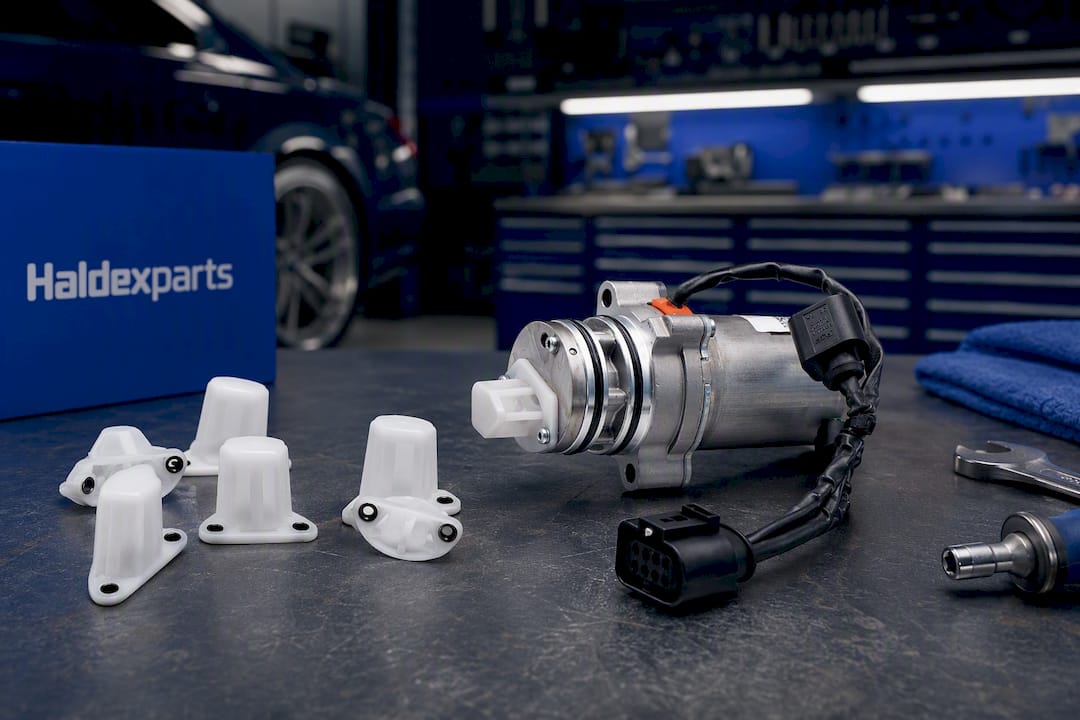
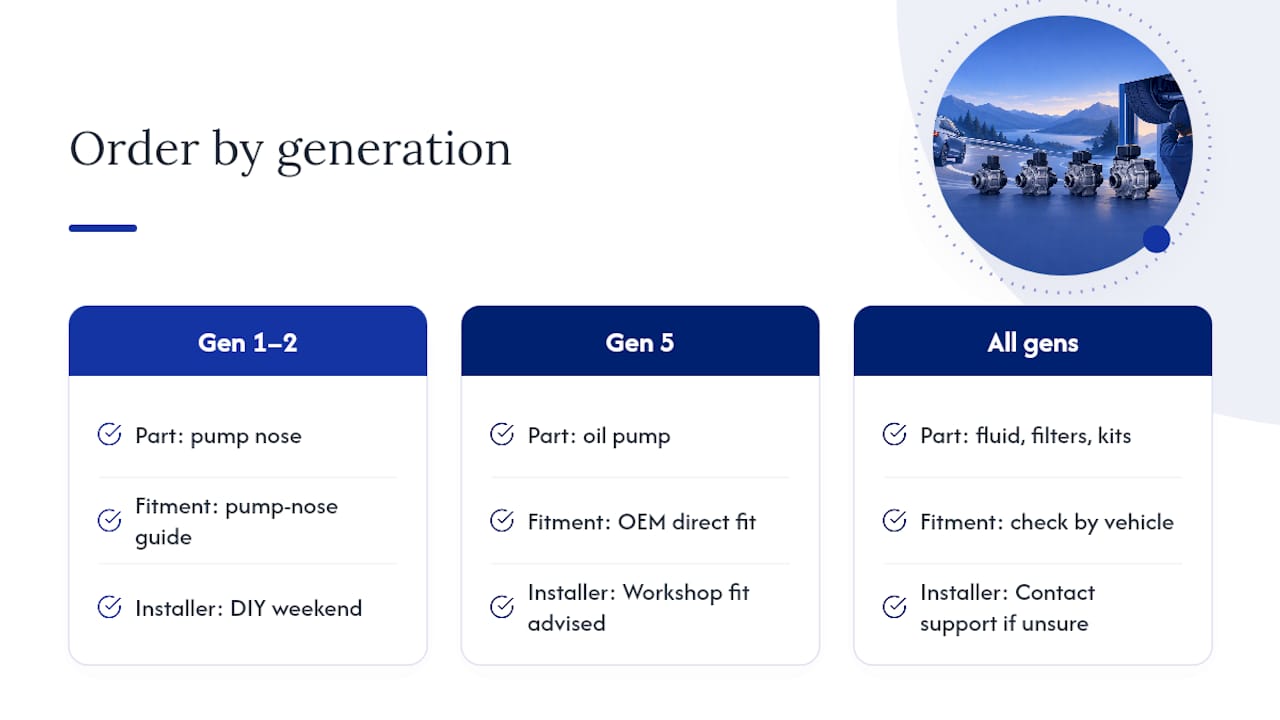
If your diagnostics pointed to a worn pump nose on a first or second generation unit, the pump nose replacement guide gives you the fitment detail alongside the part itself, suited to a confident DIY job over a weekend. If you’re dealing with a Generation 5 system and the pump itself has failed, the Generation 5 oil pump for Audi R8 applications is a direct OEM-grade replacement, best suited to workshop fitting given the access involved.
For fluid, filters, and full service kits across every generation and brand, the main Haldexparts catalogue is the place to check compatibility by vehicle before you order. Confirm your generation on the product page, place the order, and if you’re unsure about fitment, contact support before you start pulling the coupling apart.
Sources
For deeper technical detail beyond this guide, the full generational breakdown of Haldex control systems covers the engineering history in more depth, and Audi’s own service bulletin discussion is the primary source behind the fluid-change recommendation for cornering judder referenced throughout this article.
- The evolution of Haldex all-wheel drive control in Volkswagen & Audi vehicles
- Go-parts
- Haldex Race Spring | TuneZilla
- Haldex coupling
FAQ
Why are my tyres binding when I turn?
Tyre binding in tight turns on an AWD car usually means the Haldex clutch isn’t releasing when it should, most often due to old fluid, a worn clutch pack, or a mismatched tyre confusing the wheel-speed sensors. Check tyre size and pressure across all four wheels first, since that’s the cheapest cause to rule out.
What are the signs of Haldex failure?
Common signs include a jerking or resistant feeling specifically during tight, low-speed manoeuvres, unusual noise from the rear axle area, and dashboard warning lights tied to the AWD or ABS system. In more advanced cases, the system may struggle to engage under acceleration as well as release properly in corners.
What does “AWD binding” mean?
AWD binding describes a driveline that’s fighting itself: the front and rear axles are trying to turn at different speeds during a manoeuvre, but the coupling that should decouple them isn’t releasing fast enough or fully enough. On a Haldex system, that almost always traces back to clutch pressure not dropping when the control module commands it to.
Can you make Haldex permanent?
Locking a Haldex coupling into permanent all-wheel engagement is technically possible with certain aftermarket controllers, but it isn’t something a standard road car is designed for and it removes the system’s ability to prevent driveline wind-up in tight turns. It’s a modification for dedicated off-road or motorsport use, not a fix for a binding fault, and it will worsen tight-turn binding rather than solve it.