

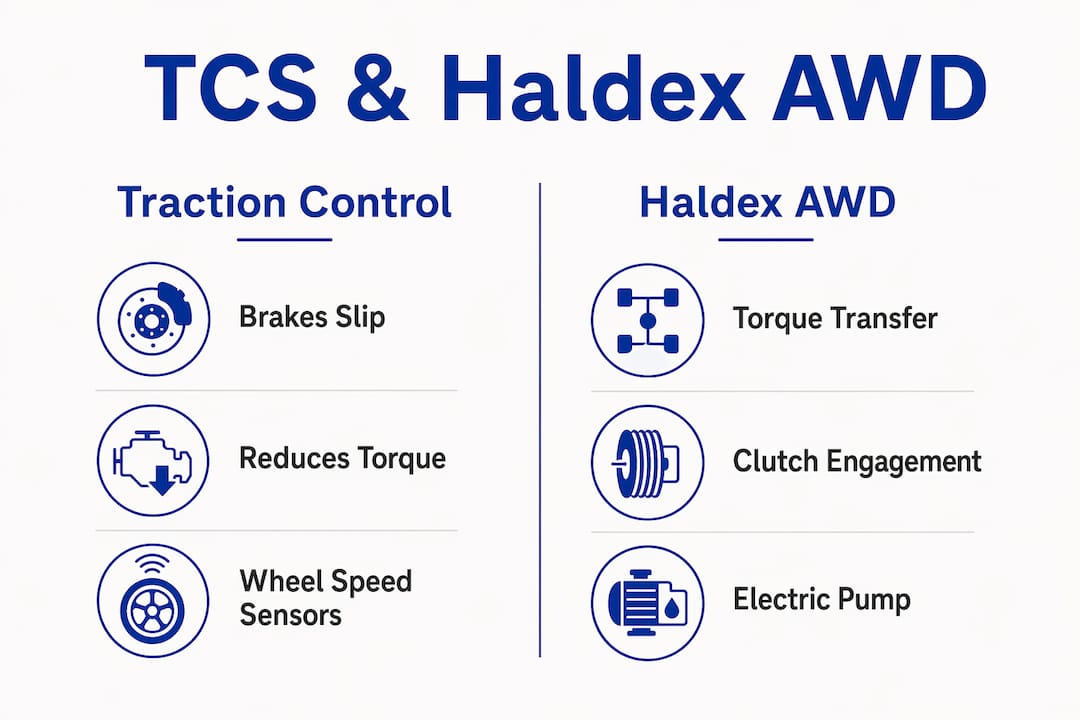
Traction control and Haldex AWD do not operate as separate systems that occasionally talk to each other. They function as a coordinated drivetrain safety ensemble, communicating continuously via the vehicle’s CAN bus to manage torque distribution and brake application in real time. When wheel slip is detected, the traction control system applies braking to the spinning wheel and modulates engine torque, while the Haldex unit simultaneously adjusts the torque split between front and rear axles through hydraulic clutch pressure. The result is a system where neither component is working in isolation.
The Haldex control unit J492 sits on the CAN data bus alongside the ABS and ESP modules, receiving a continuous feed of wheel speed data, accelerator position, steering angle, and engine torque. Modern Gen 4 systems build hydraulic pressure via an electric pump, holding it in an accumulator so the coupling can engage proactively before slip even begins. That is the critical shift from older reactive designs: the system anticipates demand rather than reacting to it.
- TCS brakes individual spinning wheels and reduces engine output to limit slip
- Haldex adjusts front-to-rear torque split via hydraulic clutch pressure controlled by valve N373
- J492 receives ABS/ESP signals and modulates coupling engagement accordingly
- During ABS intervention, the coupling opens fully to prevent driveline interference with braking
- The shared goal across all modules: prevent wheel spin, preserve steering control, maintain stability
Table of Contents
- 1. How Haldex generations changed TCS integration
- 2. How TCS and Haldex communicate electronically
- 3. What the Haldex coupling actually does to your driving experience
- 4. Maintenance that keeps TCS and Haldex working together in UK vehicles
- Key takeaways
1. How Haldex generations changed TCS integration
The generational leap in Haldex hardware is not just an engineering footnote. It directly determines how effectively the AWD system works alongside traction control.
Gen 1 and Gen 2 are reactive by design. The hydraulic pump is driven mechanically by the speed difference between front and rear axles, which means the coupling cannot build pressure until slip has already occurred. If traction control cuts engine power the moment a wheel starts spinning, it removes the very rotational difference the pump needs to generate pressure. The result: TCS and AWD can work against each other, with the coupling starved of hydraulic pressure precisely when you need it most.
- Gen 1 relies on mechanical speed differences to generate pump pressure
- Electronics can reduce pressure but cannot pre-tension the clutch
- TCS power cuts can reduce coupling effectiveness in Gen 1 and Gen 2 systems
Gen 3 introduced a pre-tensioning feeder pump, allowing the clutch to be partially loaded before slip occurs. That alone made TCS integration considerably smoother.
Gen 4 and Gen 5 removed the mechanical pump entirely. An electric pump builds pressure proactively based on CAN data, meaning the coupling can be engaged before any wheel speed difference develops. TCS intervention signals feed directly into J492, which modulates valve N373 to adjust clutch pressure in step with braking and torque reduction. The two systems no longer risk conflicting; they coordinate.
Pro Tip: If you own a Gen 1 or Gen 2 Haldex vehicle and notice the AWD feels sluggish during TCS events, that is often the system working as designed rather than a fault. A Haldex controller upgrade to a later-generation unit can meaningfully improve TCS-AWD synergy.
2. How TCS and Haldex communicate electronically
The CAN bus is the backbone of the whole interaction. J492 does not make decisions in isolation; it is subordinate to the ABS control unit J104 during stability events, receiving direct instructions on how far to open or close the coupling.
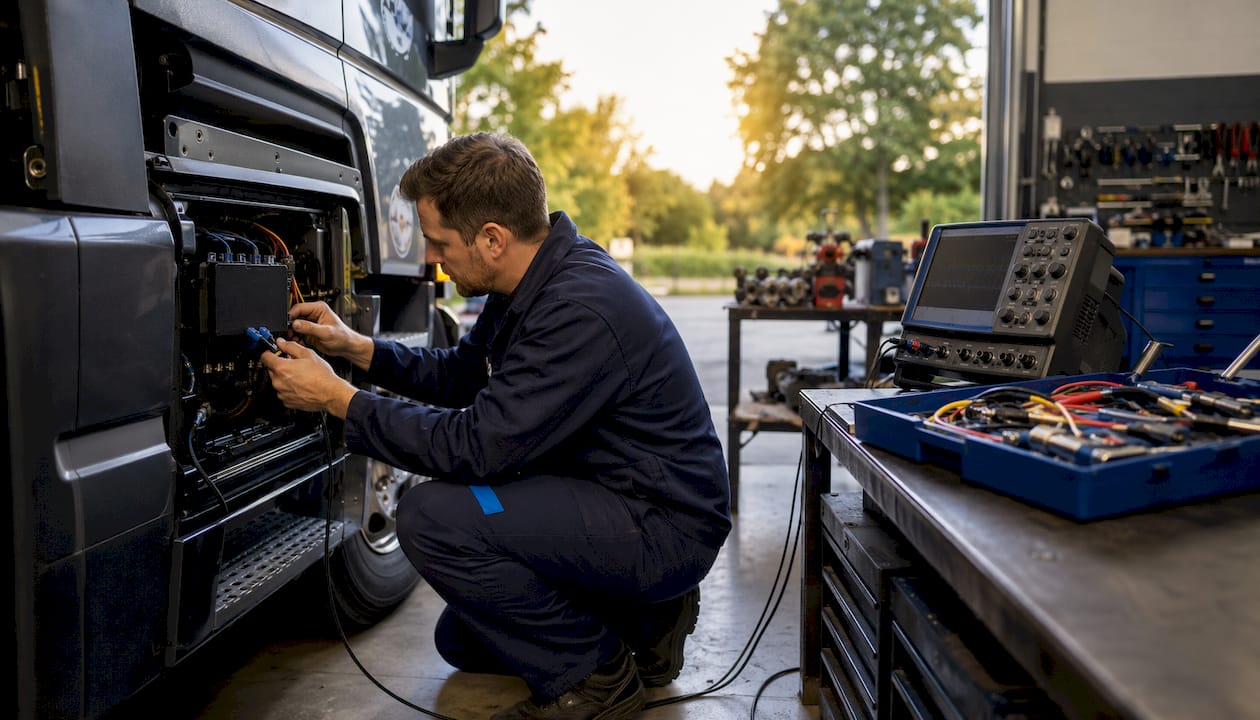
Valve N373, the coupling opening control valve, is the physical expression of that communication. Current applied to the solenoid determines working pressure on the clutch plates. Higher current, more pressure, more torque to the rear axle. During an ABS event, J104 signals J492 to open the coupling fully, preventing the locked driveline from interfering with individual wheel braking. The valve opens in under 60 milliseconds, fast enough to avoid any meaningful driveline drag during emergency stops.
| Driving scenario | TCS/ABS action | Haldex J492 response | Coupling state |
|---|---|---|---|
| Hard acceleration | Engine torque reduction | Builds pressure via N373 | Partially to fully closed |
| Cornering with slip | Braking on spinning wheel | Modulates clutch pressure | Partially engaged |
| ABS braking | Full ABS intervention | Opens coupling fully | Fully open |
| Normal cruising | No intervention | Minimal pressure demand | Largely disengaged |
- Wheel speed sensors feed slip data to J104, which relays torque demands to J492
- Accelerator pedal position triggers pre-emptive clutch loading in Gen 4+ systems
- Steering angle data informs cornering torque requirements
- The Haldex pressure sensor monitors working pressure and feeds back to J492 for closed-loop control
The accumulator holds system pressure at a constant high level between the pump and valve, ensuring N373 can respond immediately without waiting for the pump to build pressure from zero. That stored pressure is what makes proactive engagement possible.
3. What the Haldex coupling actually does to your driving experience
A persistent misconception is that the Haldex unit is a differential. It is not. It is a torque transfer coupling using a multi-plate clutch to progressively connect the front and rear axles. When fully engaged, it equalises rotational speed between the two axles. The torque bias that results is mechanical: whichever axle faces more resistance receives more torque, because the coupling forces both to rotate together.
This distinction matters for understanding what you feel at the wheel. When TCS activates during hard acceleration, you may sense a brief power reduction or a slight jerk. That is the engine torque being cut and the coupling adjusting simultaneously. Neither sensation indicates a fault. They are the system preventing a spin that would otherwise cost you both traction and steering control.
- The coupling is a torque transfer device, not a differential; it cannot direct torque to individual wheels
- Full engagement equalises axle speeds and creates a natural torque bias towards the axle with more grip
- TCS-induced power cuts feel abrupt because they are designed to act quickly
- Disabling TCS removes the braking and torque-reduction safety net but does not disable Haldex AWD function
Pro Tip: A judder or clunk during low-speed manoeuvring is more likely a coupling or fluid issue than normal TCS feedback. Normal TCS engagement feels like a brief power reduction at speed, not a mechanical knock. If you are unsure, the Haldex coupling noise guide covers the distinction clearly.
4. Maintenance that keeps TCS and Haldex working together in UK vehicles
UK roads present a specific challenge for Haldex systems: frequent wet surfaces, cold starts, and stop-start urban driving that cycles the coupling repeatedly without giving the fluid time to reach optimal operating temperature. Fluid degradation is faster than many owners expect, and degraded fluid directly affects the hydraulic pressure control that TCS integration depends on.
The electric pump is the component most sensitive to fluid condition. Contaminated or low-viscosity fluid causes the pump to work harder, shortening its service life and reducing the pressure consistency that valve N373 needs to respond accurately to J492 commands. A blown pump fuse is often the first symptom owners notice, but by that point the fluid has usually been overdue for a change.
- Use only the OEM-specified Haldex fluid; substituting a generic ATF will alter viscosity and pressure behaviour
- Replace the filter at every fluid change; a blocked filter restricts flow and starves the pump
- Check the 10A fuse powering J492 if the AWD warning light appears alongside abnormal TCS behaviour
- Use VCDS Address 22 to monitor pump activation cycles and clutch engagement pressure
- Signs of impaired AWD-TCS operation include delayed torque transfer on wet roundabouts, unexpected understeer on acceleration, and ABS triggering more readily than usual
Diagnostic work with VCDS gives you live data on pump run times and working pressure, which tells you whether the coupling is engaging at the pressure J492 is requesting. A gap between commanded and actual pressure points to either a pump fault, a blocked filter, or a failing N373 solenoid.
Pro Tip: For UK vehicles used in winter, consider shortening your Haldex service interval to every 20,000 miles rather than waiting for the manufacturer’s maximum. Cold-start cycling and road salt accelerate fluid breakdown faster than the standard interval assumes.
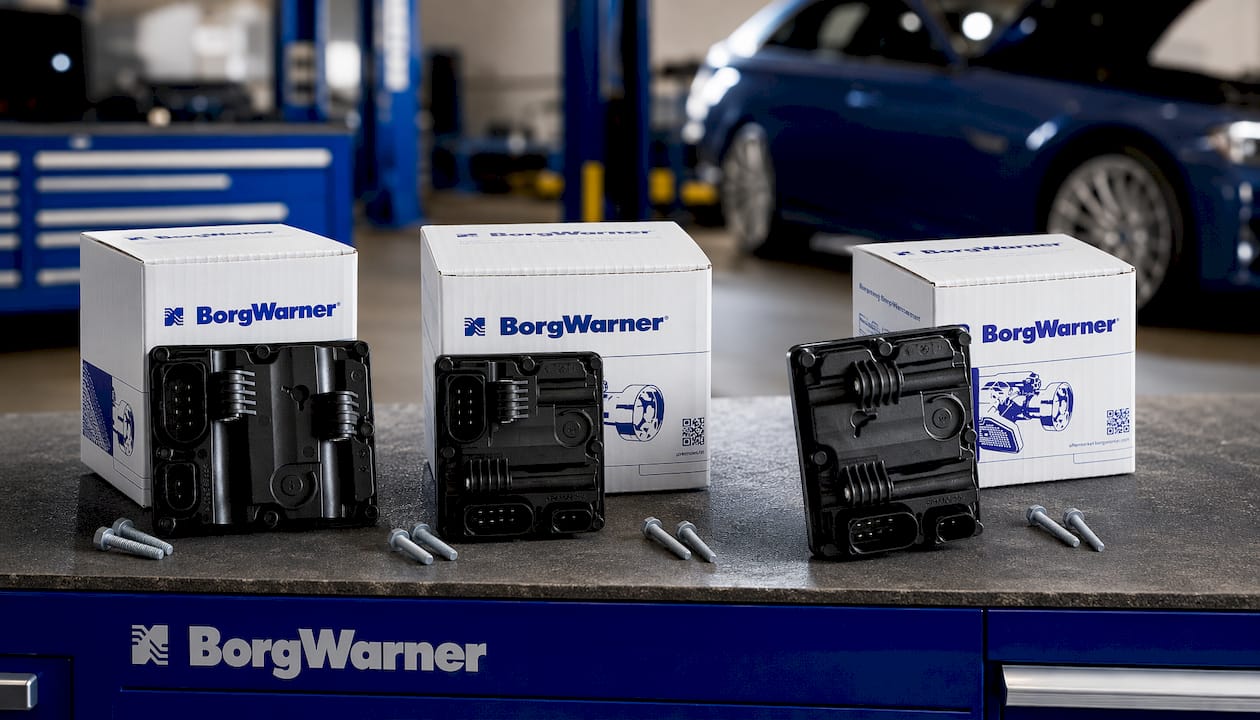
Sourcing the correct Haldex service kits matters more than many technicians acknowledge. OEM-grade fluid and filters maintain the pressure tolerances the system was calibrated for; aftermarket substitutes often do not. Haldexparts stocks generation-specific kits for Audi, VW, Ford, Land Rover, and Volvo applications, with free delivery on orders over £150.
Key takeaways
Traction control and Haldex AWD form a single integrated system: TCS manages wheel slip through braking and torque reduction, while Haldex adjusts front-to-rear torque split via hydraulic clutch pressure, with both coordinated through the CAN bus in real time.
| Point | Details |
|---|---|
| CAN bus coordination | J492 and J104 communicate continuously, with ABS/ESP taking precedence during stability events. |
| Generational responsiveness | Gen 4+ systems build hydraulic pressure proactively via electric pump; Gen 1 and 2 are reactive and can conflict with TCS power cuts. |
| Coupling vs differential | Haldex is a torque transfer device, not a differential; it equalises axle speeds and biases torque mechanically. |
| ABS interaction | During ABS intervention, the coupling opens fully in under 60 ms to prevent driveline interference with braking. |
| Maintenance impact | Degraded fluid and pump faults disrupt hydraulic pressure control, directly impairing TCS-AWD synergy. |