
Haldex parts market demand is defined as the total commercial and aftermarket appetite for Haldex-branded components, including couplings, valves, pumps, filters, and service kits, across passenger and commercial vehicle segments. Demand is strong in 2026 and growing, driven by three converging forces: the dominance of on-demand all-wheel-drive systems, an ageing global vehicle fleet, and a structural shift in how independent operators source parts. Understanding these forces is not optional for automotive professionals. It is the difference between anticipating supply constraints and being caught short.
What is the current Haldex parts market demand and growth outlook?
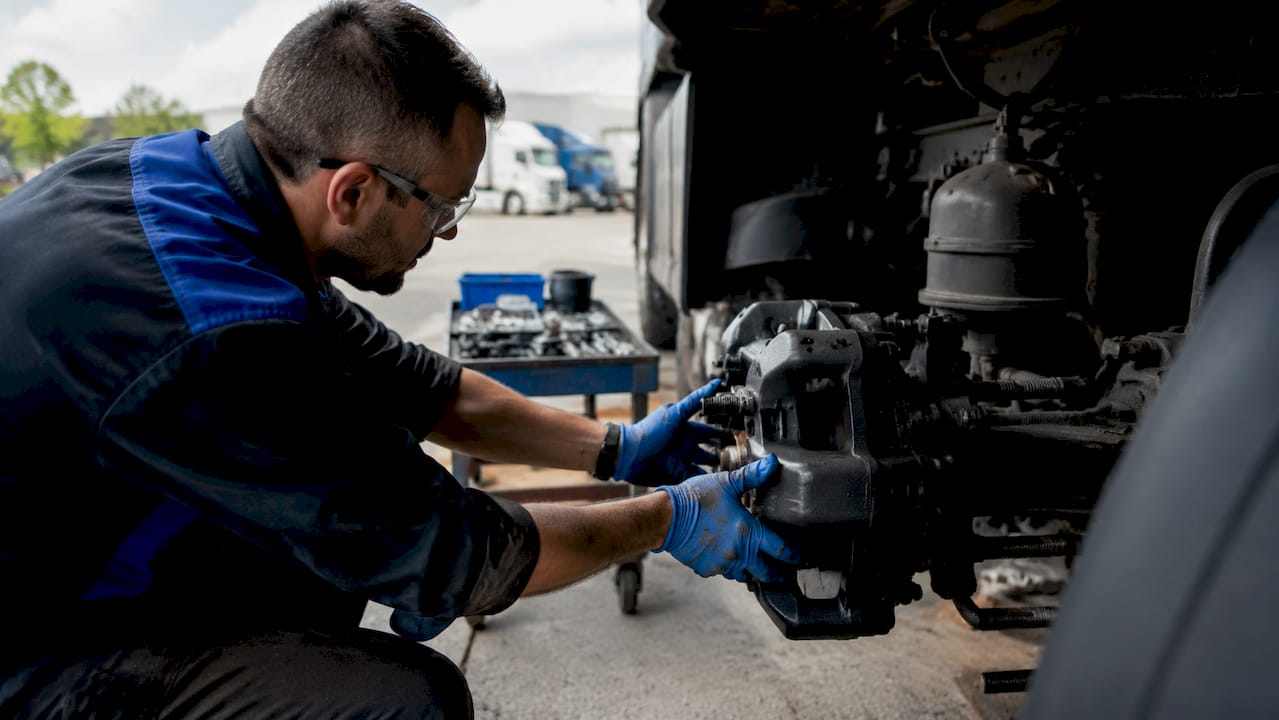
On-demand AWD systems hold 50% market share in the AWD coupling sector as of 2026. That figure confirms Haldex-style technology as the dominant architecture in the segment, not a niche product. Every vehicle running an on-demand coupling system is a potential service customer for pumps, oils, filters, and friction plates.
The commercial vehicle side of the picture is equally compelling. The HCV brake components market is projected to grow at a 3.8% CAGR through 2035, driven by maintenance cycles and fleet ageing. That sustained trajectory means demand for Haldex brake and coupling components will not peak and retreat. It will compound year on year.
Market share comparison: AWD coupling technologies
| Technology | 2026 market share | Primary application |
|---|---|---|
| On-demand AWD (Haldex-type) | 50% | Passenger cars, SUVs, light commercial |
| Dual-motor BEV AWD | Growing segment | Battery electric vehicles |
| Mechanical full-time AWD | Declining share | Traditional 4WD platforms |
| Other coupling systems | Remainder | Specialist and legacy vehicles |
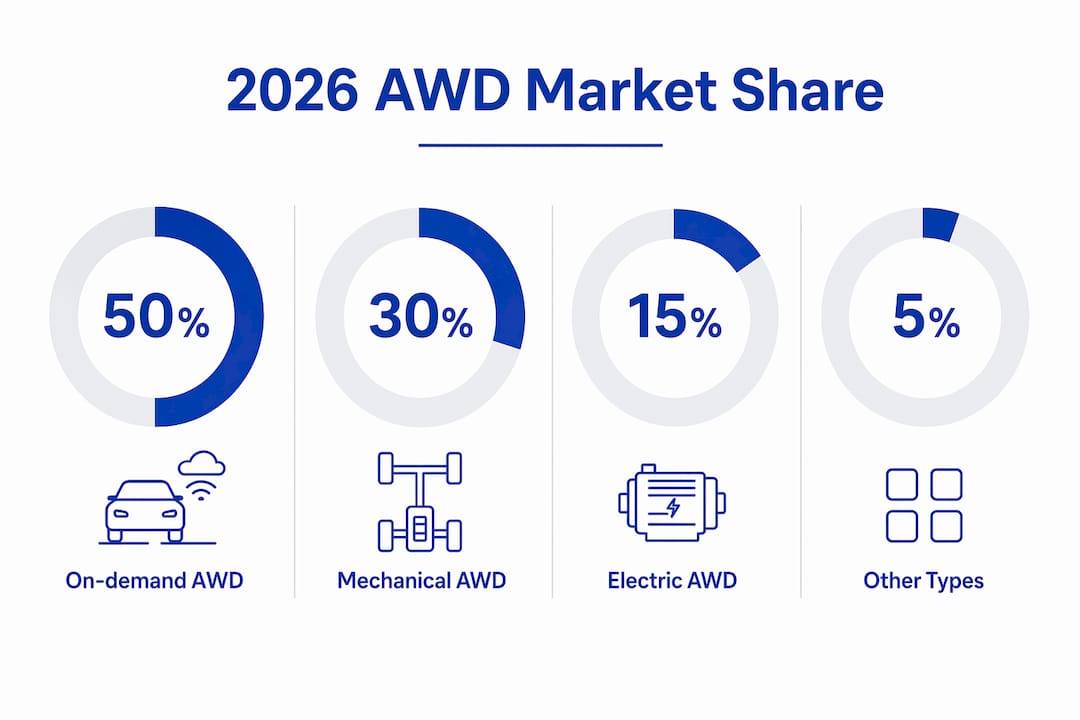
The table above shows on-demand systems are not under threat from electrification in the short term. Battery electric vehicles use dual-motor AWD, which bypasses coupling systems entirely. That actually protects Haldex demand within the ICE and hybrid segment rather than eroding it.
Pro Tip: When forecasting parts procurement for a fleet, use the 3.8% CAGR figure as a baseline for budgeting service kit volumes over a rolling three-year horizon.
Which factors most influence demand for Haldex components?
The single biggest demand sustainer is the ICE and HEV vehicle population. ICE and HEV platforms hold 74% market share in the AWD coupling market in 2026. Those vehicles all require periodic Haldex servicing, and the installed base is enormous. BEV adoption has not yet displaced this population at scale.
Four additional factors shape the haldex parts industry trends picture:
- Online sourcing growth. Independent operators increasingly source parts online, prioritising availability, transparent documentation, and shorter lead times over traditional fleet channels. This shift is reshaping who sells Haldex components and how.
- Fleet ageing. Older commercial and passenger vehicles require more frequent servicing. An ageing fleet is a direct multiplier on aftermarket parts demand.
- Regulatory pressure. Safety and emissions standards push fleet operators to maintain braking and drivetrain systems to a higher standard, increasing replacement frequency.
- R&D and sustainability investment. Haldex maintains its competitive position through sustained R&D and alignment with sustainability standards, keeping its products compliant and preferred versus rivals such as Knorr-Bremse.
The shift to online procurement deserves particular attention. Workshops that previously relied on dealer networks are now sourcing directly from specialist online retailers. This benefits operators who need detailed technical specifications alongside the part itself. Haldex openly publishes technical drawings and service notes, which makes independent servicing far more accessible than with proprietary systems.
Pro Tip: When evaluating an online supplier, check whether they publish OEM part numbers and technical drawings alongside the product listing. That transparency is a reliable quality signal.
How do remanufactured Haldex parts affect market demand?
Remanufactured Haldex components are factory-refurbished units calibrated to original performance specifications. Remanufactured units offer reliability on par with new parts at a significantly lower cost. That combination makes them the preferred choice for fleet operators managing tight maintenance budgets.
The most commonly remanufactured Haldex components include:
- Air compressors. High-cycle components that wear predictably and are well-suited to remanufacturing.
- ABS valves. Critical safety components where factory recalibration restores full function.
- Water pumps. Frequently replaced items where remanufactured units offer strong cost savings.
- Pressure protection valves. High-demand items given their failure rate in ageing brake systems.
“Remanufactured Haldex parts are often factory-refurbished with new seals and calibrated to original performance standards, ensuring cost-effective, reliable alternatives.” — Haldex valve buying guide
The growing demand for remanufactured Haldex components has prompted manufacturers to expand dedicated remanufacturing facilities, including operations in Marion, North Carolina. That investment signals the segment is not a temporary trend. It is a structural shift in how the aftermarket operates. Remanufacturing also shortens lead times compared to sourcing new OEM parts from extended supply chains, which matters greatly to fleet operators who cannot afford vehicle downtime.
The sustainability angle reinforces demand further. Fleet operators under environmental reporting obligations increasingly prefer remanufactured parts because they reduce material waste and carbon footprint compared to new production. This is not a soft preference. For operators in regulated sectors, it is a procurement requirement.
What practical factors affect sourcing and servicing Haldex parts?
Pricing for Haldex components varies widely by type, region, and channel. Remanufactured units typically cost 30–50% less than new equivalents. North American prices are often lower before shipping costs are added, which affects the economics of cross-border procurement for UK-based operators.
OEM versus aftermarket: a sourcing comparison
| Factor | OEM parts | Aftermarket parts |
|---|---|---|
| Quality assurance | Factory specification guaranteed | Varies by supplier |
| Price | Higher | Lower to significantly lower |
| Documentation | Full technical support | Varies by supplier |
| Lead time | Can be longer | Often shorter via online channels |
| Warranty | Manufacturer warranty | Supplier-dependent |
The table makes clear that OEM parts carry a quality premium that is justified for safety-critical components. For non-critical consumables, quality aftermarket parts from reputable suppliers offer a practical alternative.
Maintenance professionals should pay close attention to specific failure-prone components. The pressure protection valve model 90554107 is a known failure point in Haldex brake systems. Proactive replacement prevents costly brake system faults rather than waiting for a failure event. This is the kind of component-level knowledge that separates reactive maintenance from planned servicing.
Key sourcing considerations for automotive professionals:
- Verify OEM part numbers before ordering, particularly for generation-specific components such as 1st, 4th, and 5th generation Haldex systems.
- Use suppliers who publish technical service notes alongside parts listings.
- Factor in shipping costs when comparing regional pricing, especially for bulk orders.
- Consider AWD service kit bundles to reduce per-unit costs and simplify procurement.
- For Haldex demand by vehicle brand, Audi, VW, Ford, and Land Rover represent the highest-volume servicing platforms in the UK market.
Digital sales channels have fundamentally changed procurement speed. An independent garage can now identify the correct part, verify the specification, and place an order within minutes. That efficiency was not available through traditional dealer networks five years ago.
Key takeaways
Haldex parts market demand is structurally strong through 2035, anchored by a 50% on-demand AWD market share, a 3.8% CAGR in HCV brake components, and growing remanufactured parts adoption across ageing fleets.
| Point | Details |
|---|---|
| On-demand AWD dominance | On-demand systems hold 50% of the AWD coupling market, sustaining core Haldex parts demand. |
| HCV brake market growth | A 3.8% CAGR through 2035 confirms long-term demand for Haldex brake and coupling components. |
| ICE and HEV installed base | ICE and HEV platforms hold 74% of the AWD coupling market, protecting Haldex demand from BEV displacement. |
| Remanufactured parts growth | Remanufactured units cost 30–50% less than new parts and are growing in popularity across ageing fleets. |
| Online sourcing shift | Independent operators now source parts online, favouring suppliers with transparent documentation and fast delivery. |
The Haldex market is more resilient than most analysts expect
The conventional view is that electrification will erode demand for coupling systems over the next decade. I disagree with the pace of that forecast, and the data backs me up. BEV adoption is real, but the ICE and HEV installed base is enormous and will require servicing for at least another 15 years. The 74% market share held by ICE and HEV platforms in 2026 is not a lagging indicator. It is a forward-looking demand guarantee.
What I find underappreciated is the role of technical transparency in sustaining aftermarket demand. Haldex publishes its drawings and service notes openly. That decision has created a wide ecosystem of independent workshops capable of servicing these systems. Proprietary competitors cannot say the same. The result is that Haldex parts are easier to source, easier to fit, and easier to document for compliance purposes.
The remanufacturing segment is the area I watch most closely. As fleets age and sustainability reporting becomes mandatory for more operators, remanufactured components will move from a cost-saving option to a procurement standard. Suppliers who build remanufacturing capability now will hold a structural advantage in three to five years.
My practical advice: do not treat Haldex parts procurement as a reactive exercise. Build a maintenance schedule around known failure points, stock critical components like the pressure protection valve 90554107, and use suppliers who give you the technical documentation to service confidently.
— Mindaugas
Source your Haldex parts from a specialist who understands the market
Haldexparts stocks OEM-grade and remanufactured Haldex components for Audi, VW, Ford, Land Rover, and more. The range covers pumps, oils, filters, and complete Haldex service kits designed to meet the servicing needs of both independent garages and enthusiasts. Orders over £150 qualify for free UK shipping, and every product listing includes OEM part numbers and technical specifications. If you need a complete solution for a specific generation or vehicle model, Haldexparts provides the documentation and the parts to get the job done correctly the first time.
FAQ
What is Haldex parts market demand?
Haldex parts market demand refers to the total commercial appetite for Haldex coupling, brake, and drivetrain components across passenger and commercial vehicle aftermarkets. Demand is driven by on-demand AWD system prevalence, fleet ageing, and the growth of online sourcing channels.
Why are on-demand AWD parts in such high demand in 2026?
On-demand AWD systems hold 50% of the AWD coupling market in 2026, making Haldex-type components the most widely fitted coupling technology. That installed base generates consistent demand for service kits, pumps, and filters.
Are remanufactured Haldex parts reliable?
Yes. Remanufactured Haldex units are factory-refurbished with new seals and calibrated to original specifications. They typically cost 30–50% less than new parts while delivering equivalent performance.
What is the most common Haldex failure point to watch for?
The pressure protection valve, model 90554107, is a frequent failure point in Haldex brake systems. Proactive replacement is recommended to prevent brake system faults before they occur.
How is the Haldex aftermarket parts market expected to grow?
The HCV brake components market is forecast to grow at a 3.8% CAGR through 2035. Combined with the dominance of ICE and HEV platforms, this points to sustained and compounding demand for Haldex aftermarket parts well into the next decade.