

Buying Haldex oil in bulk pays off once you’re doing more than two or three services a year, whether that’s a keen DIYer working through a fleet of family cars or a small workshop servicing customer vehicles. The practical routes are trade packs from specialist Haldex parts suppliers, drums or totes ordered direct from the manufacturer, or OEM bottles bought in multiples. Whichever route you choose, confirm the OEM specification first and have a proper storage plan ready before the fluid arrives.
TL;DR:
- Buying Haldex oil in bulk is cost-effective only if you perform more than three services annually or handle dozens of vehicles each year.
- Always verify the oil’s OEM specification code, such as VW G 060 175 A2 or G 055 175, to avoid clutch shudder or uneven torque transfer.
- Storage in a cool, dry environment and timely rotation are essential to prevent degradation of bulk Haldex fluid, especially for drums and totes.
- Shipping large quantities can incur hazard surcharges and longer lead times, so plan your order size and timing accordingly.
- Confirm the required fill volume per vehicle generation, typically 500ml to 850ml, to prevent overpurchase or running out mid-service.
Table of Contents
- What pack sizes are available for bulk Haldex oil buying?
- How do you confirm a bulk fluid matches your Haldex generation?
- How much Haldex oil do you actually need per service?
- How should you store bulk Haldex fluid safely?
- What do shipping and hazard rules mean for bulk orders?
- Which Haldexparts SKUs match which Haldex generation?
- What does the total cost of bulk Haldex oil actually include?
- How do you spot a genuine supplier versus counterfeit Haldex fluid?
- Can you negotiate pricing on a bulk Haldex oil order?
- How should you dispose of used or excess Haldex oil?
- The real economics of buying Haldex oil in bulk
- Buy OEM-grade Haldex oil direct with bulk support built in
- Sources
- FAQ
What pack sizes are available for bulk Haldex oil buying?
Haldex-type coupling fluid comes in far more formats than most DIYers realise, and the right one depends entirely on how many services you’re actually doing.
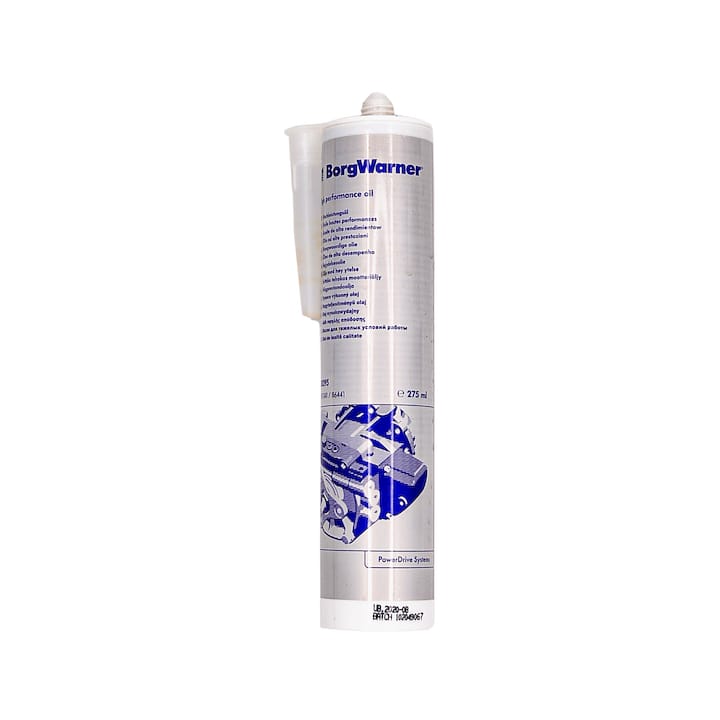
At the small end, OEM bottles run from 275ml to 850ml. A 275ml BorgWarner OEM bottle covers a single first-generation Haldex service with little left over, while the 850ml BorgWarner bottle suits second to fifth generation systems that typically need a larger fill volume. Buy three or four of these and you’ve got a season’s worth of servicing without touching a drum.
Step up and you find multi-quart packs (typically boxed in sets of four to six), then 5L and 20L cans. Bardahl’s own product data sheet lists exactly these three formats, 1L, 5L and 20L, alongside a full vehicle compatibility table worth checking against your own fitment before you commit to a larger can.
At true bulk scale, manufacturers sell 55-gallon drums and 265-gallon totes. TRIAX’s Haldex clutch coupling fluid is a good example: retail quart pricing sits around $29.99, but drums and totes aren’t listed with a price at all. You request a quote directly.
Here’s roughly how the channels break down:
- Specialist online Haldex parts retailers — best for OEM bottles and multi-packs, fast shipping, no minimum order.
- Lubricant manufacturers direct — best for drums and totes, but usually requires a phone call or quote form rather than an instant checkout.
- B2B distributors — often stock mid-range cans (5L, 20L) with better per-litre pricing than retail bottles but without the lead time of a full drum order.
- Trade counters and workshop suppliers — convenient for local pickup but stock varies and specification isn’t always guaranteed.
How do you confirm a bulk fluid matches your Haldex generation?
The single biggest mistake in bulk buying isn’t overpaying, it’s ordering a fluid that doesn’t match your Haldex generation. Get this wrong and you risk clutch pack shudder, uneven torque transfer, or accelerated wear on components that are expensive to replace.
Three OEM specification codes matter most: VW G 060 175 A2, G 055 175, and G 052 175. Each corresponds to a different Haldex generation and viscosity profile, and Volvo runs its own parallel approval (31367940) that some suppliers cross-reference against the VW codes. If a product listing doesn’t state which of these it meets, treat that as a red flag rather than an oversight.
When you’re reading a data sheet, three numbers tell you almost everything you need:
- Kinematic viscosity at 40°C — governs how the fluid behaves at working temperature.
- Kinematic viscosity at 100°C — indicates how well it holds up under sustained heat.
- Pour point — relevant if you’re storing drums outdoors or in an unheated unit over winter.
Oscar TFX’s technical data sheet lists viscosity figures of 27.5 cSt at 40°C and 5.7 cSt at 100°C against its VW G 060 175 A2 approval, while Bardahl’s sheet shows a slightly different 29.8 mm²/s at 40°C with a pour point of −51°C against its own approvals. Neither figure is “wrong”. They simply reflect different approved formulations, which is exactly why you match the spec code first and treat viscosity as confirmation, not the primary check.
Statistic to remember: viscosity at 40°C for approved Haldex fluids typically sits somewhere in the high 20s to low 30s (mm²/s or cSt), so a product quoting something wildly outside that range against a Haldex approval is worth double-checking before you buy a drum of it.
Some suppliers market a single fluid as covering “all five Haldex generations”. That claim can be genuine, but verify it against the data sheet’s own approval list rather than the marketing headline. If a product doesn’t name a specific OEM code, understanding the difference between Haldex oil and ATF is worth ten minutes before you order anything by the litre.
How much Haldex oil do you actually need per service?
Getting the quantity right avoids two expensive mistakes: buying a drum you’ll never use up before it degrades, or running out mid service with a stripped-down coupling on the ramp.
- First to third generation Haldex units typically take around 750ml to 850ml per service, which is why the 850ml BorgWarner bottle sizing exists in the first place.
- Fourth and fifth generation units often need slightly less, closer to 500ml to 750ml, though always check the fill procedure for your specific model since some require a drain and refill rather than a single fill.
- A single enthusiast doing two services a year across one or two vehicles rarely needs more than two or three bottles. There’s no case for a drum here, an 850ml bottle each service covers most Gen 2–5 cars comfortably.
- A small workshop doing 20 services a year starts making sense of a 20L can or even a 55-gallon drum, since the per-litre cost drops meaningfully once you’re buying at that scale.
- Set a reorder point at roughly 25% of your current stock remaining, not when you’re down to your last bottle, so a slow freight quote on a drum doesn’t leave you stuck mid-season.
Rotate stock on a first-in, first-out basis and mark every container with the date it arrived. It sounds obvious until you find an unlabelled 5L can at the back of a shelf and have no idea whether it’s four months old or four years old.
How should you store bulk Haldex fluid safely?
Bulk buying only pays off if the fluid is still in spec by the time you use it, and that comes down almost entirely to how it’s stored.
- Keep containers in a cool, dry space out of direct sunlight, ideally somewhere temperature doesn’t swing wildly between seasons.
- Keep drums and totes sealed until use, and use a dedicated pump or dispensing kit rather than decanting by hand, since a shared funnel is one of the easiest ways to introduce contamination.
- Check clarity and colour before every use. Cloudiness, an unusual odour, or visible separation are all signs the fluid has degraded or been contaminated and shouldn’t go anywhere near a Haldex coupling.
- Store opened containers upright and reseal tightly. Air exposure over time changes a synthetic fluid’s properties even if it looks fine.
- Dispose of empty drums and any contaminated product through a licensed waste handler rather than general refuse.
Pro Tip: Buy a simple hand pump designed for drum dispensing rather than tipping a 55-gallon drum to pour. It costs less than a single bottle of oil and saves you from spillage, contamination, and a fairly awkward conversation with whoever owns the workshop floor.
If you’re storing bulk fluid in the same space as detailing or coating products, keep them physically separated. Some workshops running hydrophobic coating treatments alongside servicing find cross-contamination from aerosol overspray is a bigger risk to stored fluids than most people expect.
What do shipping and hazard rules mean for bulk orders?
Freight is where a lot of the “bulk savings” quietly disappear if you don’t plan for it. Larger containers of synthetic lubricant often fall under hazardous goods handling rules for transport, which can add surcharges that a quoted unit price doesn’t include.
Drums and totes typically ship within 5 to 10 business days according to TRIAX’s own product listing, noticeably longer than the day or two you’d expect for a bottle or small can ordered from stock. Build that lead time into your service schedule rather than discovering it the week you need the fluid.
When requesting a bulk quote, give the supplier everything they need to price it accurately the first time:
- The exact SKU or OEM part number you’re ordering against.
- Quantity required (litres or number of drums/totes).
- Delivery postcode or zip code, since freight class often depends on distance and access.
- Preferred Incoterms or delivery terms if you’re ordering from outside your own country.
A few practical ways to bring the landed cost down: group orders with another workshop to hit a fuller pallet, ask whether a local distributor already holds stock (avoiding a fresh freight run entirely), or simply step down to a 20L can if a full drum’s lead time doesn’t suit your schedule. Sometimes the “smaller” trade pack works out cheaper once hazard surcharges are added to a drum quote.
Which Haldexparts SKUs match which Haldex generation?
Matching the right part number to your vehicle generation is the step most bulk buyers rush, and it’s the one that actually determines whether the fluid you’ve bought does its job.
Three SKUs cover most of what a DIYer or small workshop needs:
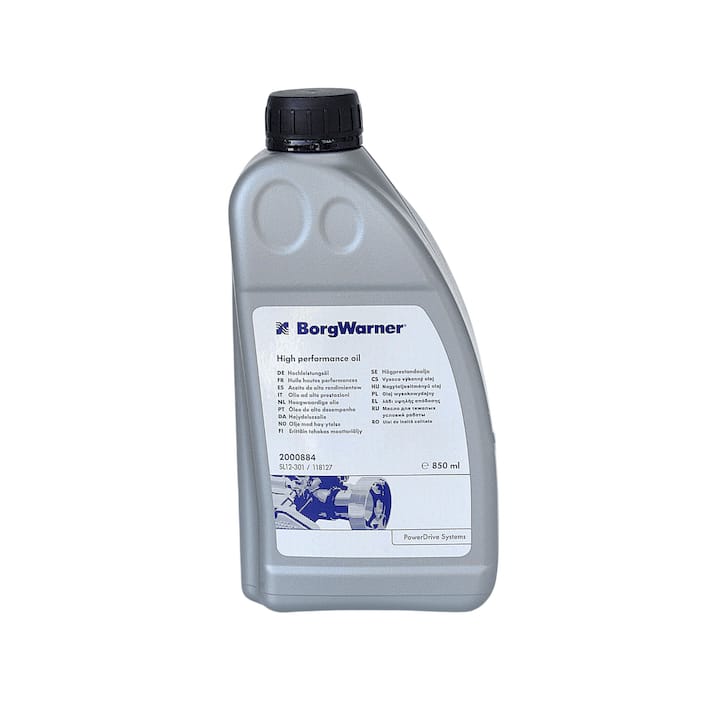
- BorgWarner 850ml original high performance oil (2000884) meets G060175A2 and is built for second to fifth generation AWD Haldex systems, the most common fitment on current Audi, VW, and Škoda platforms.
- BorgWarner OEM Haldex Oil G052175A1 108295 (275ml) is sized specifically for first generation AWD systems, where fill volumes are smaller.
- Haldex oil pump, fifth generation (9P1906271) for Porsche applications, worth ordering alongside oil if you’re doing a full service rather than a fluid change alone.
Before requesting a bulk quote on the Haldexparts catalogue, run through a short checklist:
- Confirm your Haldex generation against your vehicle’s build data, not just the model year.
- Match the part number exactly rather than assuming “Haldex oil” is interchangeable across generations.
- Ask about lead time and available packaging when your quantity goes beyond a handful of bottles.
Shipping policies may include free delivery for orders exceeding a certain amount, which can be worth factoring in when deciding order sizes.
What does the total cost of bulk Haldex oil actually include?
The quoted unit price on a drum or case rarely tells the whole story. Four things typically move the final number: the base per-litre price, any bulk discount tier, freight (including hazard handling where it applies), and tax.
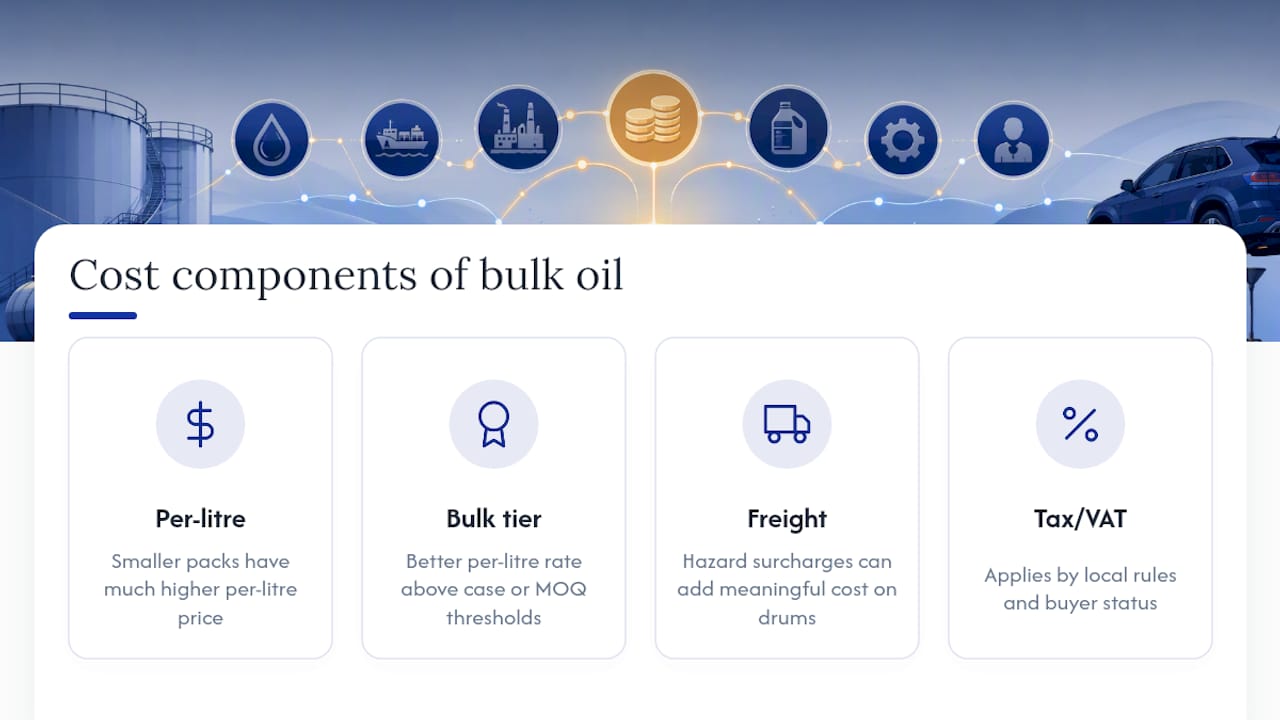
Per-litre pricing usually drops as pack size increases, which is the entire logic behind buying in bulk in the first place. A 275ml or 850ml bottle carries the highest per-litre cost because you’re paying for packaging and retail handling on a small volume. A 20L can spreads that same overhead across far more fluid. A full drum spreads it further still, but only if freight doesn’t eat the saving.
Freight surcharges for hazardous goods classification, discussed above, can add a meaningful chunk to a drum or tote order that a bottle or small can never triggers. Ask for this broken out separately in any quote rather than folded into a single “delivered price” figure, so you can actually compare it against a smaller pack size shipped without a surcharge.
Sales tax or VAT applies according to your local rules and your buyer status. A registered business ordering for resale or workshop use may handle tax differently to a private DIYer, so clarify this with the supplier before the order is placed rather than after the invoice arrives.
Finally, watch for minimum order quantities on trade pricing. Some distributors only unlock their best per-litre rate above a case quantity, meaning a slightly larger order can sometimes work out cheaper overall than the smaller one you’d originally planned.
How do you spot a genuine supplier versus counterfeit Haldex fluid?
Counterfeit or mislabelled lubricant is a real risk once you’re buying larger quantities from an unfamiliar source, and the financial exposure is bigger too: a bad bottle is an annoyance, a bad drum is a wasted service run across every vehicle it touches.
Start with the data sheet. A legitimate supplier publishes a proper technical data sheet listing viscosity figures and named OEM approvals, not just a marketing description. If a listing claims OEM approval but won’t produce the data sheet on request, that’s a clear warning sign rather than an oversight.
Check packaging consistency against known reference images from the manufacturer’s own site. Genuine OEM bottles carry consistent batch coding and labelling; inconsistent fonts, missing batch numbers, or packaging that doesn’t match the manufacturer’s own product photography are common tells.
Ask where the supplier sources stock. A distributor that can name the manufacturer or an authorised import route is a different proposition to a marketplace listing with no supply chain information at all. For larger orders, a supplier willing to provide a batch certificate or data sheet on request, without you having to chase repeatedly, is generally the safer bet.
Price is a signal too. A drum priced dramatically below every other quote you’ve gathered deserves scrutiny before it deserves an order, particularly for a synthetic fluid where raw material cost has a fairly predictable floor.
Can you negotiate pricing on a bulk Haldex oil order?
Bulk pricing is rarely as fixed as the quoted figure suggests, particularly once you’re ordering above a single case.
Volume is your strongest lever. Suppliers pricing drums and totes by quote, rather than a published price, are already signalling that the number moves depending on quantity, so ask directly whether pricing improves at the next quantity tier before you commit to the smaller one.
Bundling helps too. If you’re also ordering pumps, filters, or a full service kit alongside the oil, ask whether combining everything into one order unlocks better terms than ordering oil and parts separately. Suppliers often have more flexibility on a combined order than on oil alone.
Ask about payment terms if you’re ordering as a registered business rather than a private buyer. Net 30 terms, or a small discount for payment on order rather than on delivery, are common enough in B2B lubricant supply that it’s worth simply asking rather than assuming the first quote is final.
Timing matters less than most buyers assume, lubricant pricing doesn’t move on the same seasonal cycle as, say, agricultural products, but asking whether a supplier is clearing older batch stock can occasionally surface a genuine discount on fluid that’s still well within shelf life.
Finally, get any negotiated terms in writing before the drum ships. A verbal discount agreed over the phone is far harder to enforce than a written quote confirming the agreed price and terms.
How should you dispose of used or excess Haldex oil?
Bulk buying inevitably means bulk leftovers eventually, whether that’s used fluid drained from a service or a container that’s aged past its useful life before you got through it.
Used Haldex fluid is classed as used oil and needs to go through a licensed waste oil collection service, the same as engine oil or ATF. Never pour it down a drain or into general waste, both for legal reasons and because synthetic coupling fluid doesn’t break down the way some people assume.
Empty drums and totes typically qualify for recycling once triple rinsed, but check with your local waste authority or the container return scheme your supplier may operate. Some manufacturers offer a drum return or deposit scheme specifically to encourage this rather than have empty industrial containers sent to landfill.
If you’re left with fluid that’s past its reasonable shelf life but never opened, contact your supplier before disposing of it. Some will take expired stock back for proper handling rather than leaving you to manage disposal yourself, particularly on a larger order where goodwill matters for repeat business.
For a small workshop, setting up a simple waste oil collection arrangement alongside your regular engine oil disposal is usually the most practical route: one collection, one invoice, one compliant process, rather than managing Haldex fluid disposal as a separate exercise.
The real economics of buying Haldex oil in bulk
Most guides to buying fluid in bulk treat it as a simple volume discount problem: buy more, pay less per litre, job done. That’s true as far as it goes, but it misses the two variables that actually decide whether bulk buying makes sense for a specific reader: how many services you genuinely do in a year, and how disciplined you are about storage and rotation.
A DIYer doing two services a year has no business buying a drum, no matter how attractive the per-litre price looks on paper. The fluid will sit in storage far longer than its practical shelf life justifies, and the saving evaporates the moment you’re pouring out a container you’re not confident is still in spec. For that reader, two or three OEM bottles a year is the actually economical choice, even though it looks less efficient on a spreadsheet.
Where the conventional advice really falls down is treating “OEM approval” as a box to tick rather than the entire point of the exercise. A fluid that’s cheap, in bulk, and wrong for your Haldex generation isn’t a bargain, it’s a clutch pack replacement waiting to happen. Check the spec code before you check the price, every time.
— Mindaugas
Buy OEM-grade Haldex oil direct with bulk support built in
Haldexparts gives you a direct route to OEM-grade Haldex oil without the guesswork this guide has walked through, matched by generation, with the spec numbers already confirmed on every product page.
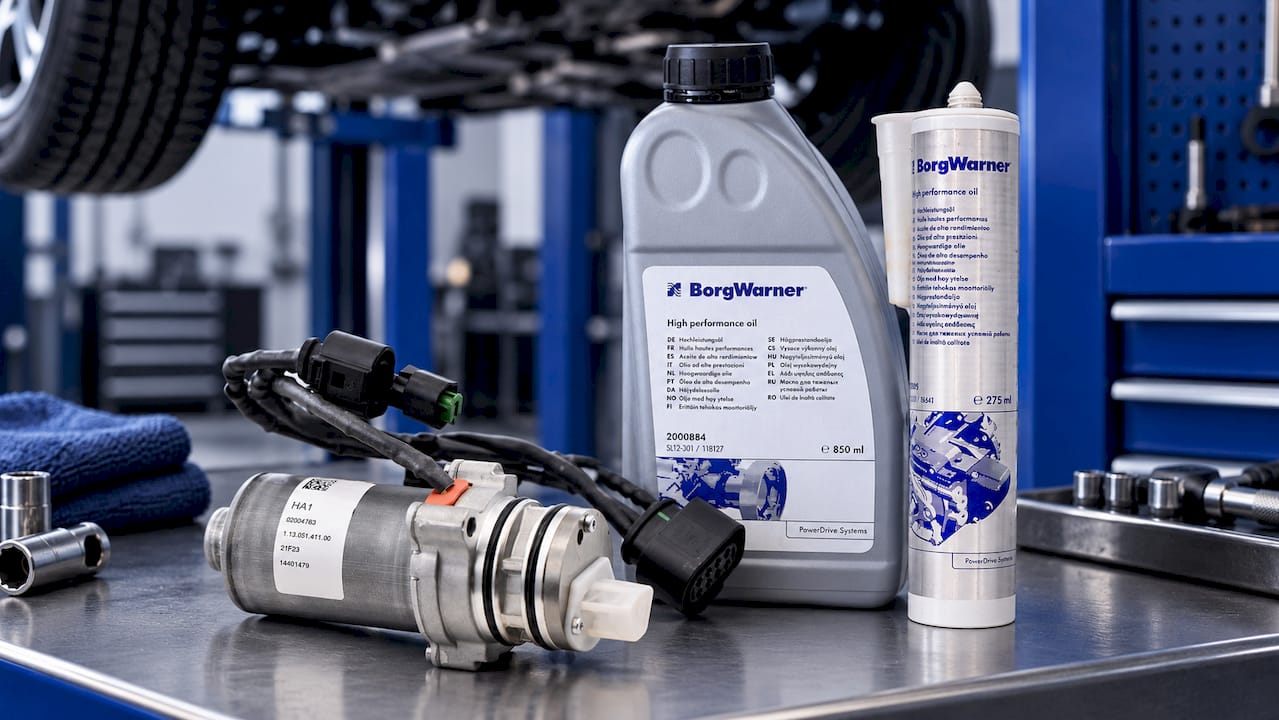
Whether you need a single 275ml bottle for a first generation system, an 850ml bottle for second to fifth generation Haldex units, or a pump to go alongside a full service, the catalogue is organised by generation so you’re never guessing which part number applies to your vehicle. Orders over £150 ship free, which matters once you’re stocking up for a season of services rather than a single job. Browse the full range of AWD and Haldex oils, confirm your vehicle’s generation against the listed OEM approvals, and place your order or request bulk terms directly through the Haldexparts catalogue today.
Sources
- Haldex Fluid (product data sheet) — Bardahl
- Oscar TFX OEM Specific Haldex (product description / TDS)
FAQ
Is it actually cheaper to buy Haldex oil in bulk?
It’s cheaper per litre once you’re doing enough services a year to use the fluid before it ages, typically three or more services annually for a small can, or dozens a year to justify a drum. For occasional DIY use, buying OEM bottles as needed usually works out better once storage risk is factored in.
How do I know which Haldex oil specification my car needs?
Check your vehicle’s build data against OEM codes such as VW G 060 175 A2, G 055 175, or G 052 175, since each applies to a different Haldex generation. Product data sheets from suppliers like Bardahl list which approvals a given fluid meets.
How long can bulk Haldex oil be stored before it degrades?
Sealed, unopened containers stored in a cool, dry, dark space generally hold their properties well within typical shelf life windows, but always check the fluid for clarity and odour before use regardless of how long it’s been stored. Opened containers should be used sooner rather than left indefinitely.
Where can I buy OEM Haldex oil for a bulk order?
Specialist suppliers such as Haldexparts stock OEM-approved bottles matched by Haldex generation and support bulk or B2B quote requests directly through the catalogue. Larger drum or tote orders typically go through the manufacturer or a distributor by direct quote rather than standard checkout.
How much Haldex oil do I need for one service?
Most Haldex services take between roughly 500ml and 850ml depending on the generation, with first to third generation units generally on the higher end. Always confirm the exact fill volume for your specific model before ordering, since procedures vary between a simple top up and a full drain and refill.